Fewer brands can afford to guess about their own readiness for Asia.
10 September 2026 Sam Bedi, Founder & CEO
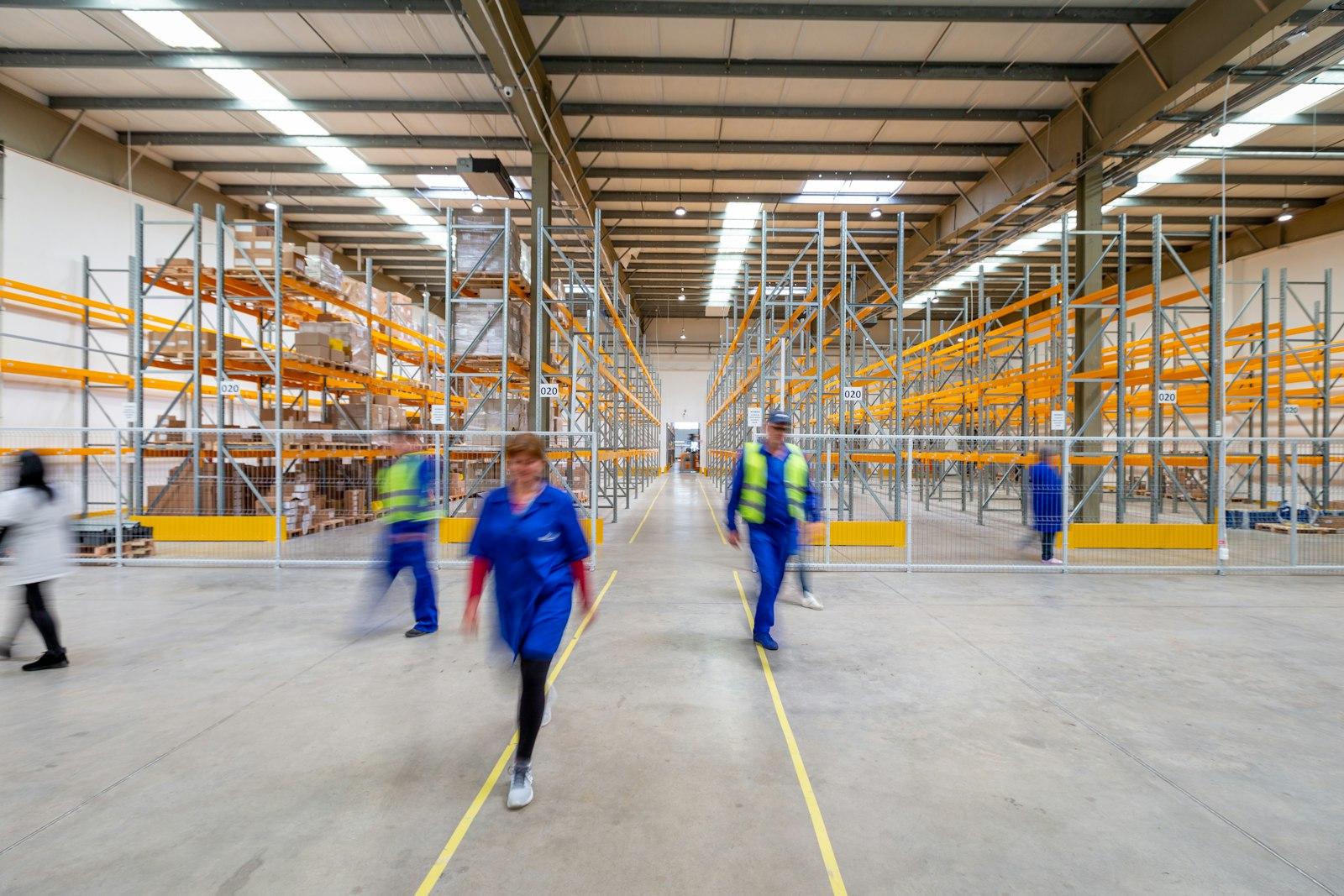
Manufacturing capacity is tightening across consumer categories and regulatory rules keep diverging market by market. Together they create a risk most expansion plans skip: a well-chosen market can be unreachable if your line cannot absorb the volume or your formulation cannot legally cross that border. Readiness is a question that belongs before market selection, not after.
Two questions that are usually treated as one
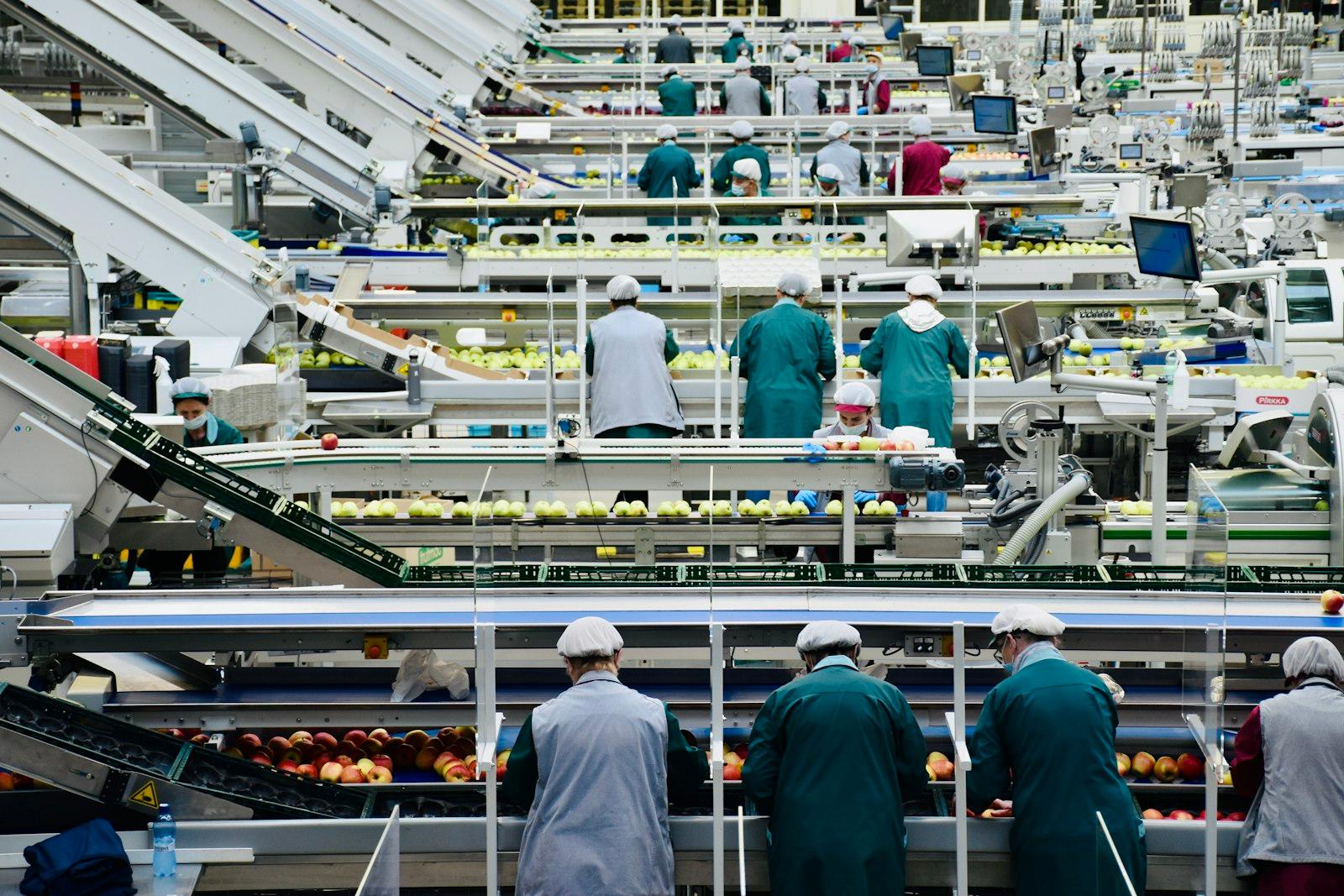
Supply chain readiness splits into two separate questions. The first is capacity: can you produce enough volume, within the timeline the target market's retail cycle will tolerate, without disrupting existing domestic or export commitments? A line running near full utilisation has very little room for new-market volume without capital or a scheduling trade-off against an existing customer.
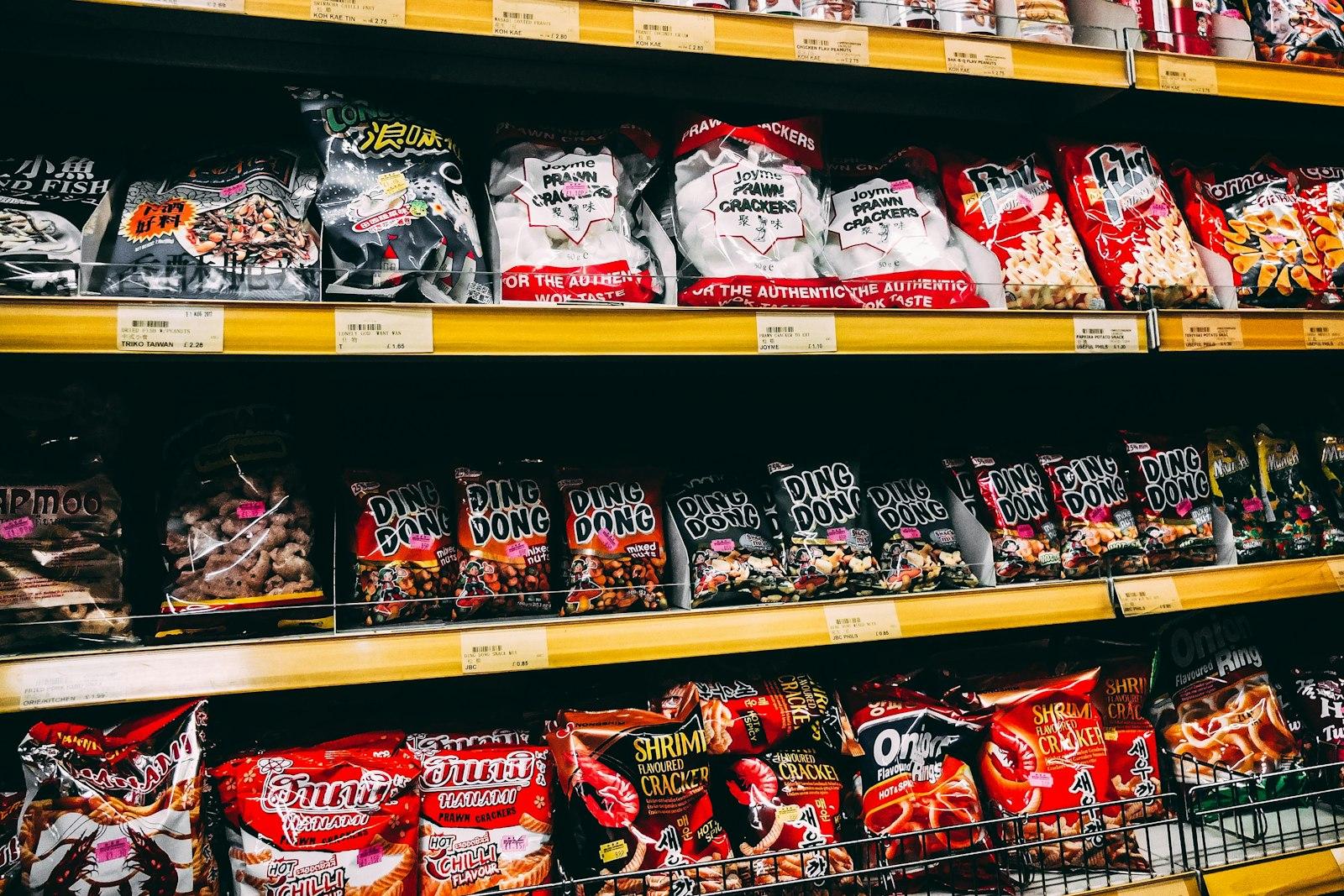
The second is compliance flexibility: can you adapt formulation, labelling and packaging to a specific market's rules without redesigning the product from scratch? These two do not move together. A brand can have plenty of capacity and still be stopped at the border because its formulation carries an ingredient it has never had to remove before. Assessing only the easier one creates a false sense of readiness.
Utilisation is a capital decision hiding in an operations report
Above roughly 80-85 percent utilisation, entering a new market means competing with your own existing markets for the same production slot. Most brands treat this as an operations problem to solve once a market is chosen. It is actually a readiness question that determines which markets are realistically reachable in the first place, and on what timeline.
The same is true of compliance. Reformulation and re-registration run on timelines that are rarely compatible with the pace at which commercial opportunities move. A brand that discovers the ingredient limit after the distributor is signed has not made an optimism error. It has made a sequencing error.
The most common failure pattern
A brand identifies an attractive market, opens conversations with a promising distributor, and only then turns inward to ask whether production and compliance can support what is being discussed. By then it has created external expectations - a distributor timeline, a listing conversation, sometimes a signed agreement - that its internal capacity may not meet.
Readiness should be a standing internal capability, independent of any specific market, so that when an opportunity appears the brand already knows what it can commit to rather than discovering the answer under pressure.
What a ready brand can answer without scrambling
On capacity: what percentage of current output is already committed; how many weeks an incremental order would take to fulfil today; whether the line can run a smaller, less economical batch for an unproven market.
On compliance: whether the core formulation can be adjusted for common regulatory variations; whether packaging can produce a market-specific label as a variant rather than a new run; which claims on pack are permitted where.
Brands that operate at this level of clarity are not necessarily larger or better resourced. They have done the internal assessment as a standing exercise instead of waiting for a distributor's question to force the answer.
Two brands, one distributor
Consider two consumer brands, both approached by a well-regarded distributor in a new Southeast Asian market.
Brand A moves quickly and commits to a delivery timeline before checking internally. After the agreement is signed, the team discovers production is near full utilisation and the formulation contains an ingredient restricted in the target market - a reformulation that was never budgeted or scheduled. The relationship is damaged before a single unit ships.
Brand B had completed its readiness assessment before any market conversation. It knew its line could run a smaller batch at acceptable economics and which formulations needed no change for common regulatory environments. When the same opportunity appeared, it committed to a realistic timeline immediately - not because it moved faster, but because it had already done the work the moment required.
What to do this quarter
- Run readiness as a standing exercise, not a market-triggered one. The status should exist before an opportunity appears.
- Assess capacity and compliance separately. Confidence in one masks a gap in the other.
- Where utilisation is high, treat new-market volume as a capital decision requiring deliberate investment - not an assumption that a way will be found.
- Start formulation and packaging work early where a market needs it. Registration clocks do not wait for commercial momentum.
- Know your claims market by market. The claim that sells at home may need approval, or be prohibited, in the market you are about to sign.
Where a partner earns its place
This is the lesson ATM learned in its own operating history, and it is the first thing we check. The Market Readiness Assessment tests pricing, compliance, localisation, supply chain and marketing execution for a named market and returns a pass, fix or stop for each - in one to two weeks, before any partner conversation. It is a Validate service: it exists so that the market you choose is one you can actually ship to, on a timeline you can keep.
The question most brands ask is "is this the right market for us?" The more foundational question is "are we actually ready to be exported into any market right now - and if not, what would have to change first?" A brand that can answer the second with evidence turns a good opportunity into a successful entry rather than a costly lesson.
The service that answers this for your brand: Market Readiness Assessment.
Questions this article answers.
What does brand readiness for an Asian market actually mean?
Two separate things: enough uncommitted production capacity to serve a new market on its retail timeline, and enough formulation, labelling and packaging flexibility to meet that market's rules without a redesign. A brand can have one without the other.
Why do consumer products get stopped at the border in Asia?
Most often an ingredient over a national limit, a claim that needs prior approval, or a label not registered in the required language and format. All three are knowable before shipment; most are discovered after a distributor is signed because nobody owned the check.
When should readiness be assessed - before or after choosing a market?
Before, as a standing capability, and then again for the specific market once it is shortlisted. Assessing readiness only after a distributor conversation has started is how brands commit to timelines they cannot keep.